Launching a Urolithin A supplement is not the hardest part. The harder task is choosing a health supplement manufacturer that can match the approved sample and document each batch. Small and mid-sized brands face greater risk when an intermediary manages the quote but not factory release.
A lower-risk route should reflect the project stage. When a suitable bottled formula is in stock, Hekona may discuss a 100–300-bottle evaluation order, subject to availability. When the project needs a new formula, dosage, shell, or packaging, custom sample production begins at 500 bottles because separate development and release work is required. For stock-formula testing, Sluyil is Hekona’s own brand, giving brands access to established formulas backed by the same Hekona manufacturing and quality system.
Why Does a Urolithin A and PQQ Formula Need Specialized Capsule Manufacturing?
A premium formula needs more than routine filling. The manufacturer must connect its positioning with a practical serving size, verified materials, and repeatable settings.
Complementary Mitochondrial Functions
Urolithin A is positioned around mitophagy, the removal of inefficient mitochondria. PQQ is linked with mitochondrial biogenesis, the formation of new mitochondria. Together they support renewal rather than repeat the same role.
Purity and Serving Design
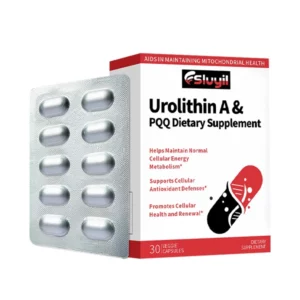
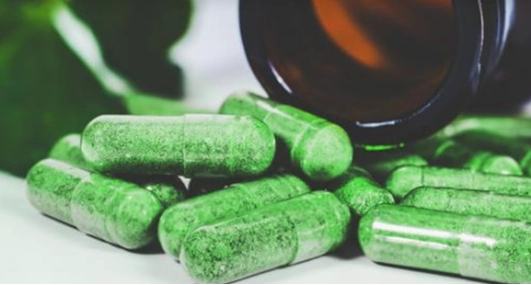
Hekona’s Urolithin A and PQQ cellular energy formula provides 250 mg per serving, using 98% purity and PQQ at no less than 99%.
Purity describes the incoming material, while dosage describes what the consumer receives. Review the raw-material certificate, finished specification, serving count, capsule size, and label together.
Capsule Format Selection
Hard capsules support measured servings and avoid tablet-compression pressure. Shell choice should still follow powder density, flowability, fill volume, and positioning. Gelatin suits conventional products, while HPMC or pullulan supports vegetarian positioning.
What Should a Health Supplement Manufacturer Verify About the Ingredients?
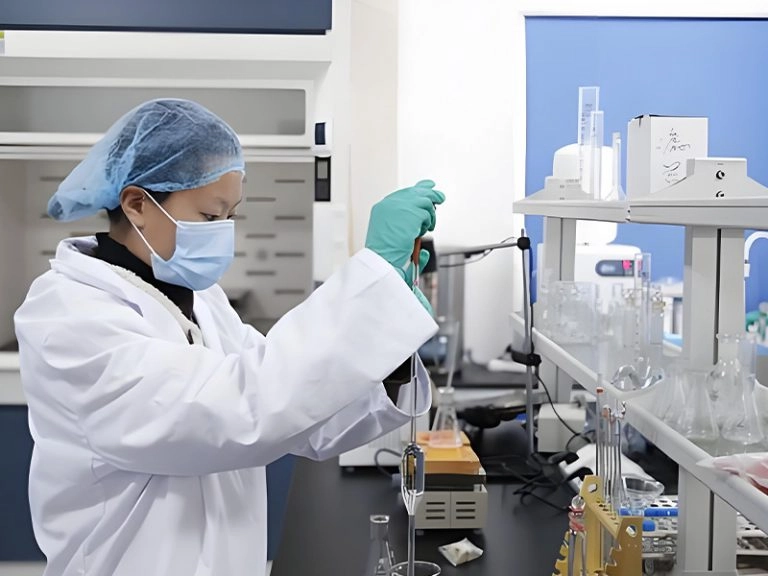
Ingredient review should create an evidence chain from supplier approval to batch release. A certificate has limited value unless it links to the production lot.
Identity and Potency Records
Check the ingredient name, source, lot, assay, stated purity, test method, and laboratory details. The same lot should appear in the batch record and finished-product documents, separating traceability from copied sales specifications.
Supplier Qualification and Traceability
A controlled supplement raw material sourcing process should assess supplier qualifications, production conditions, quality systems, and material history. Accepted ingredients need internal codes tied to the supplier, origin, dates, and certificate.
Safety and Stability Testing
High purity does not replace contaminant control. Checks may cover identity, potency, moisture, heavy metals, microorganisms, pesticide residues, and other risks. Shelf-life claims also need suitable stability work, not a standard expiry date applied to every formula.
Which Capsule Controls Protect Formula Consistency?
Approved ingredients can still produce uneven capsules when powders differ in density, particle size, charge, or flow. Factory controls decide whether every bottle meets the same standard.
Blend Uniformity
PQQ is used at a lower level than the main component, so direct addition may create concentration differences. Geometric dilution premixes the low-dose material before gradual scale-up. Hekona’s knowledge base lists a blend-uniformity target of CV ≤5%.
Fill-Weight Accuracy
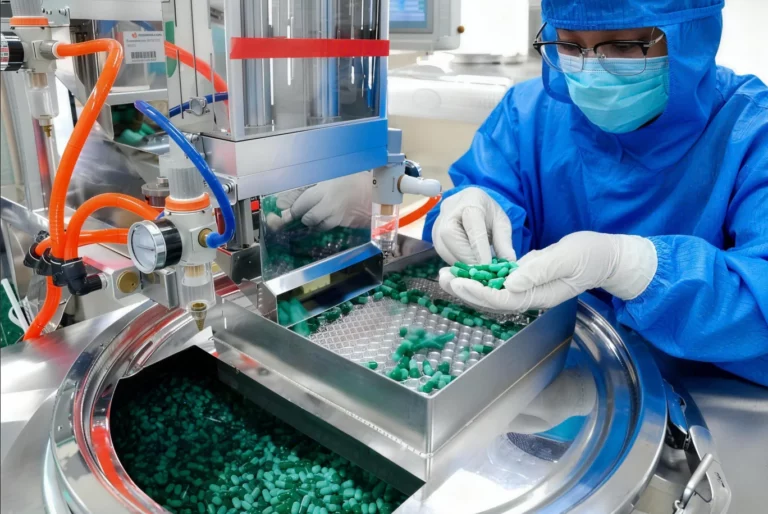
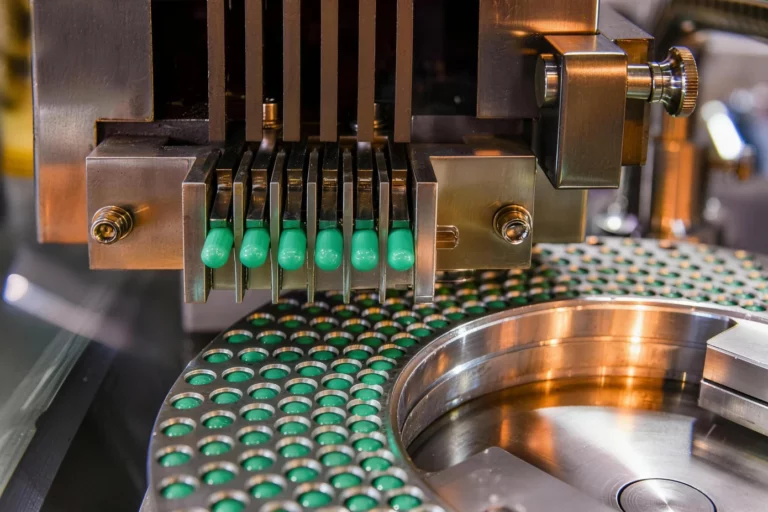
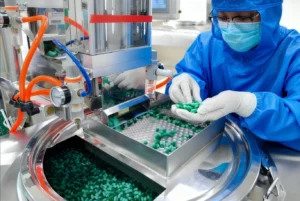
Poor flow may create light capsules, variable servings, stoppages, and waste. The precision capsule manufacturing process uses automatic filling, polishing, metal detection, and rejection controls. Published figures include RSD ≤2%, annual capacity of 2 billion capsules, and eight-hour output above 5 million.
Published Manufacturing Reference
| Control Point | Practical Purpose | Published Reference |
| Blend Uniformity | Reduces dose variation | CV ≤5% |
| Fill-Weight Variation | Keeps content consistent | RSD ≤2% |
| Water Activity | Helps manage moisture risk | Aw ≤0.4 |
| Annual Capacity | Supports scale-up | 2 billion capsules |
| Eight-Hour Output | Supports repeat orders | More than 5 million capsules |
These figures help screen suppliers, but signed specifications, batch records, and the finished-product COA remain the acceptance basis.
How Do Stock and Custom Capsule Programs Compare?
Stock and custom programs solve different problems. One shortens market testing; the other gives more control over formula and packaging.
Stock Formula Evaluation
When a suitable bottled formula is available, a negotiated 100–300-bottle evaluation order may cover appearance, documents, packaging, shipping, pricing, and early response.
This route works because the formula and production path already exist. Final quantity depends on stock, packaging, destination, and written confirmation.
Custom Formula Development
Custom development fits projects needing another dose, a different PQQ level, extra ingredients, a vegetarian shell, or exclusive packaging. The 500-bottle sample MOQ reflects material allocation, compatibility review, setup, cleaning, testing, packaging, and batch release.
Total Trial Economics
A low bottle price becomes costly when it creates excess stock or incomplete testing. Compare development, analysis, packaging, freight, labels, and unsold inventory. Stock bottles test an existing product; a custom run tests a distinct concept unavailable from current inventory.
What Questions Should You Ask Before Production Approval?
Before paying a deposit, put promises in writing. This reduces the risk of goods differing from the approved sample.
Market and Label Requirements
Confirm the sales country, serving size, ingredient names, claims, warnings, allergens, capsule material, bottle count, packaging language, and recommended use. The manufacturer may assist with compliance, but the brand owner remains responsible for final label approval.
Batch Documents
Request raw-material certificates, a finished-product COA, production records, fill-weight data, microbial and heavy-metal results, packaging specifications, and release limits. Appearance alone does not prove repeatable commercial quality.
Reorder Planning
Discuss ingredient stock, packaging lead time, production windows, reorder quantities, peak-season capacity, and batch consistency. Hekona’s broader dietary supplement manufacturing capabilities cover capsules, tablets, powders, liquids, drops, and premixes, plus more than 100 stock products.
Why Consider Hekona for This Capsule Project?
The earlier questions create a useful supplier scorecard. As a health supplement manufacturer, Hekona fits it through an existing product platform, technical team, direct factory communication, and documented controls.
Existing Product Platform
The current formula provides a defined reference. Within this platform, Sluyil serves as Hekona’s stock-product brand, while later OEM or ODM customization remains within Hekona’s production framework. Its dosage, purity, capsule format, and positioning can be reviewed before deciding whether stock fits your market or customization is justified. Rebuilding from zero adds little value when a documented platform already matches the intended direction.
Integrated Technical Team
Hekona’s supplement development and production team covers formulation research, analytical science, process development, quality assurance, production, sourcing, operations, and regulatory support. This keeps sales ideas connected to what can actually be mixed, filled, tested, and scaled.
Direct Overseas Cooperation
Hekona works directly with overseas supplement brands and does not currently accept domestic trading-company projects. Direct communication makes specifications and responsibilities easier to confirm. Its health supplement manufacturer platform also lets you review dosage forms before submitting your market, dose, shell, packaging, and quantity for technical review.
Final thoughts
A capsule program is built on evidence, not assumptions. When evaluating a health supplement manufacturer for Urolithin A, compare purity, dose accuracy, blend uniformity, traceability, documentation, and trial scale with equal care. Stock products may support smaller evaluations, while custom work calls for a more structured commitment. Access to a current catalog, sample-batch COA, and a complimentary compatibility review can help turn technical questions into a confident production decision today.
FAQ
Q1: What Should You Check in a Urolithin A Capsule Sample?
A: Review the dose, assay, capsule appearance, fill consistency, bottle seal, label accuracy, finished-product COA, and links between raw-material and production lots.
Q2: Can a Small Brand Order Only 100–300 Bottles?
A: A negotiated 100–300-bottle evaluation order may be available when the bottled formula is in stock. Quantity depends on inventory, packaging, destination, price, and written confirmation.
Q3: Why Does a Custom Sample Start at 500 Bottles?
A: Custom work requires formula review, material allocation, equipment setup, cleaning, filling trials, testing, packaging, and batch release. The quantity spreads these fixed costs across a workable run.
Q4: Which Capsule Quality Figures Matter Most?
A: Blend uniformity, fill-weight variation, potency, water activity, disintegration, microbial limits, heavy metals, and stability results provide a practical view of batch quality.
Q5: How Do You Start With a Health Supplement Manufacturer?
A: Provide the target market, formula reference, serving dose, capsule shell, bottle count, packaging format, document requirements, and planned launch schedule.