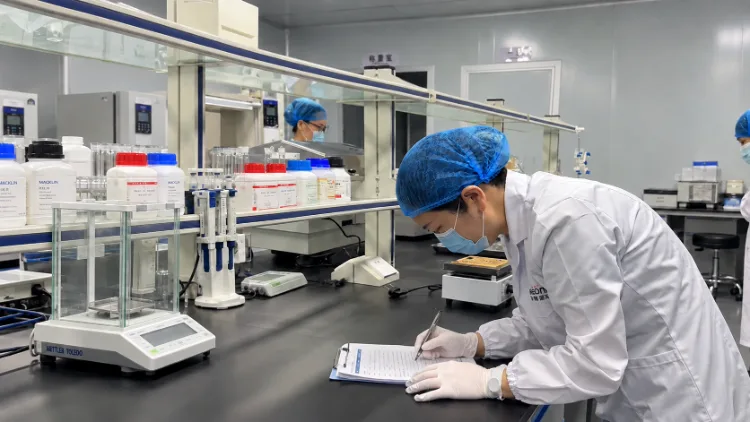
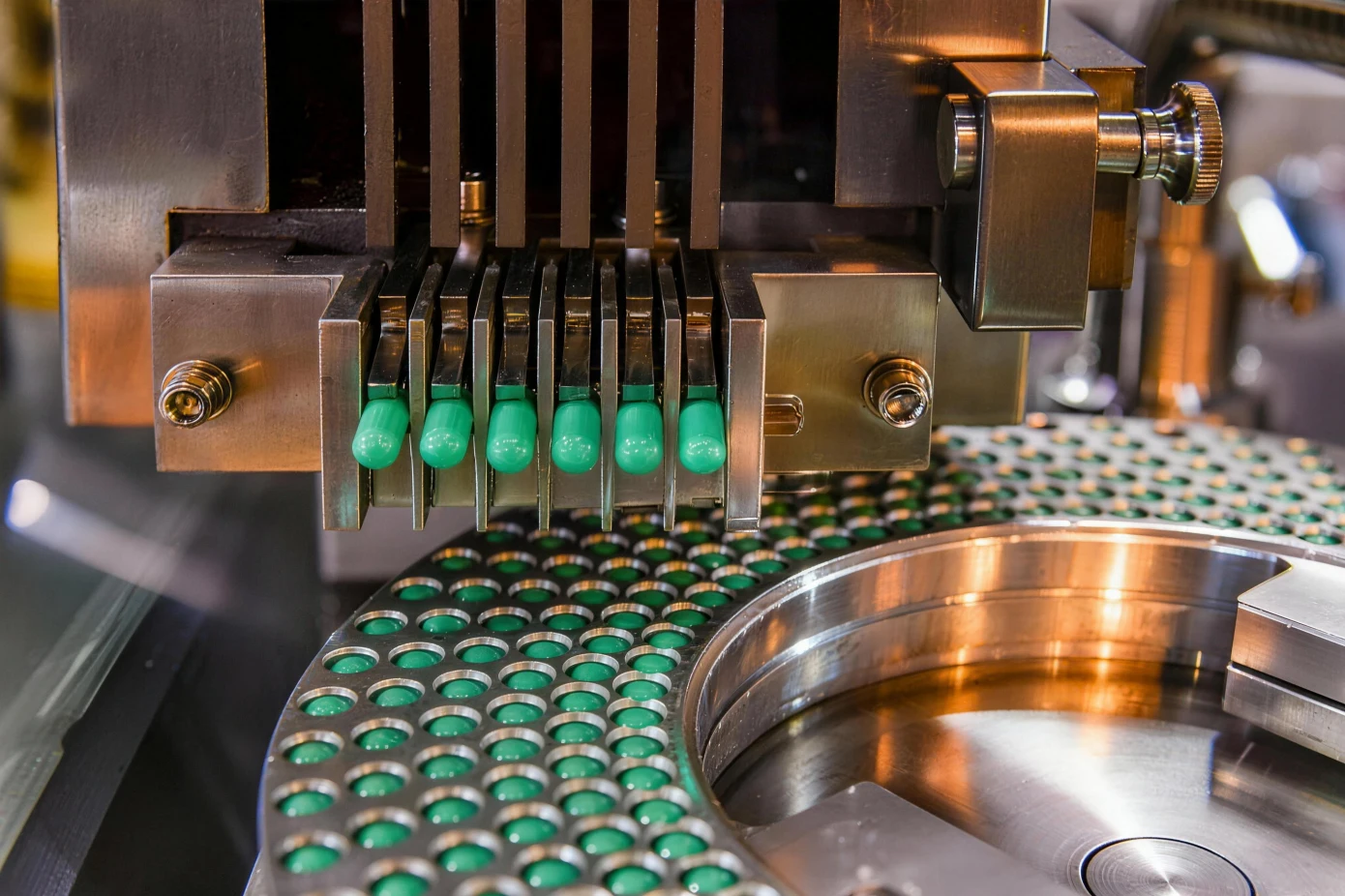
For small and midsize supplement brands, choosing a probiotic capsule partner can go wrong before the first commercial batch. Quotes may look comparable, yet the delivered product may differ from the approved sample, especially when a trading company cannot provide production records. Capsule Manufacturers should be judged by controls that protect live cultures and keep fill weights consistent, not by price and capacity alone.
A sensible sample plan should reduce technical risk. When the requested category is in stock, Hekona can discuss 100–300 bottles For channel validation and inventory velocity testing. This lets you assess packaging, capsule quality, and commercial fit without funding a production setup. When a custom formula is needed, samples begin at a 500bottle MOQ because materials, process settings, filling, and packing must be prepared around your specification. The distinction keeps expectations clear.
Why Do Probiotic Capsules Require Tighter Process Control?
Different Ingredients Do Not Always Behave the Same Way
Probiotic Capsules are rarely just one or two basic materials. A standard commercial recipe usually mixes live freeze-dried strains with prebiotic fibers, botanical extracts, daily vitamins, and various flow agents. They look great together on a formulation sheet, but dump them into a giant steel blender and they act completely differently. Their physical particle size, bulk powder weight, flow speed, and reaction to sticky moisture rarely match up.
If a factory dumps all these powders in at the exact same time, the mixture usually starts splitting apart. Heavier bits naturally sink to the bottom of the drum, while fluffy lighter powders float up. The weird part is that the batch might look perfectly fine to the naked eye. You only realize the uniformity is a mess when pulling test samples from different corners. This lopsided mixing means some pills end up empty of the main strain while others get a massive overdose. In a strictly regulated market, both testing failures will get your batch rejected.
Premixing Can Make a Difficult Formula More Stable
Doing a premix is a standard factory trick to fix this sorting headache. Workers take powders sharing similar physical traits and mix them in smaller batches first. Then they load these smaller groups into the main blender in a specific sequence. This adds extra labor to the daily production run, but it severely drops the risk of separation and hands the operator actual control over the finished blend.
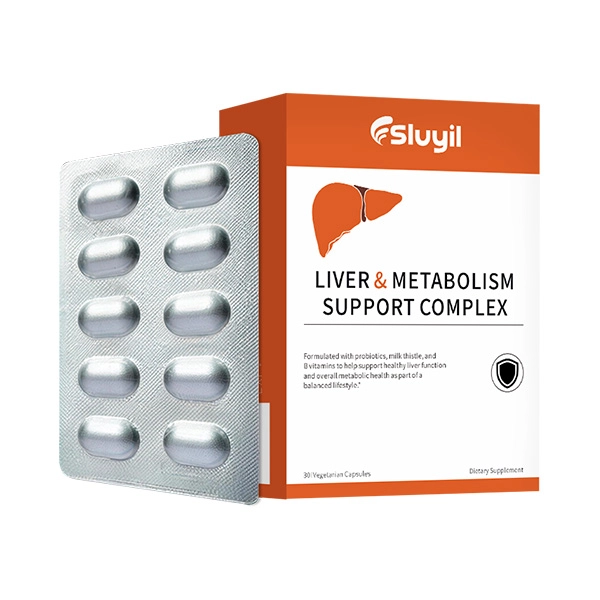
The product Cheers Balance serves as a solid real-world manufacturing reference. That recipe includes probiotics alongside galacto-oligosaccharides (GOS), milk thistle extract standardized to 40% silymarin, turmeric extract sitting at 95% curcumin, and active B vitamins. These items do not share the same powder density or handle room humidity the same way. Trying to run them as one big powder dump would be a disaster.
Before the main mixing cycle starts, workers blend the herbal extracts and B vitamins together into one subgroup. The sensitive probiotics and GOS go into a totally different blender housed in a room with super tight humidity controls. Only after both batches pass their mid-process laboratory checks are they brought together for the last run.
A Clear Process Says More Than a General Promise
This example is not about pushing a product recommendation. It just proves that the factory knows how to process a messy multi-ingredient blend and has a tested routine for handling powder differences.
When you interview capsule manufacturers, ask exactly how they deal with recipes packing four or more ingredients. If they claim they just toss everything into the mixing tank, they haven’t thought about what happens when heavy and light powders collide. A solid supplier will explain their exact premixing sequence, humidity limits, precise sampling spots, and quality checks. That level of detail tells you they actually work on the factory floor instead of just reading off a marketing brochure.
Which Moisture-Control Metrics Matter Most?
“Controlled humidity” is vague. Ask where conditions are measured, how often they are recorded, and whether limits apply to the filling room.
Cleanroom Temperature and Humidity
Hekona’s GMP cleanroom operates at 20 to 25°C and 35% to 45% RH. Some sensitive powder work uses 35% RH or below. Request the formula limit, batch log, and response to an out-of-range reading.
Filler Water Activity
Water activity reflects water available for reactions. Hekona lists filler control at Aw 0.4 or below. Before blending, traceable raw material sourcing checks incoming materials for identity, potency, purity, heavy metals, and microorganisms.
Packaging and Storage Barriers
Room control loses value if packaging admits moisture. Ask how the pack was chosen, whether a desiccant is needed, and how seals are checked. High-barrier bottles, foil pouches, and blisters suit different distribution conditions. Test stability in the commercial pack.
|
Comparison Metric |
Hekona Reference Data |
What You Should Request |
|
Temperature |
20–25°C |
Batch log |
|
Humidity |
35–45% RH |
Formula limit |
|
Filler water activity |
Aw ≤ 0.4 |
Release result |
|
Blend uniformity |
CV ≤ 5% |
Sampling data |
|
Fill-weight variation |
RSD ≤ 2% |
Weight record |
These Hekona references are not universal limits. Strain data still govern the final specification.
Which Filling Metrics Reveal Real Capability in Capsule Manufacturers?
Comparing Capsule Manufacturers requires connected evidence. Blend uniformity, powder flow, and fill weight influence one another; speed says little about dose consistency.
Blend Uniformity
Hekona reports blend uniformity at CV 5% or below. Ask which markers are tested and where samples are taken. Total weight cannot prove even distribution.
Powder Flowability
Check particle size, bulk density, angle of repose, and the Hausner ratio. Dry granulation may improve flow without water; wet granulation may harm some strains.
Fill-Weight Variation
Hekona lists fill-weight RSD at 2% or below. Its eight-stage capsule manufacturing process covers automatic filling and locking, defect rejection, polishing, metal detection, finished-product testing, and protective packaging. Ask for in-process records, not only an equipment list.
Which Capsule Shells and Filling Processes Fit Probiotics?
Shell choice should follow the strain, fill, release point, label position, and storage climate. No shell suits every product.
HPMC Shell Compatibility
Hekona lists typical HPMC shell Aw below 0.2, making it practical for many sensitive probiotics. Confirm brittleness, disintegration, fill compatibility, and storage.
Enteric-Release Options
Some strains benefit from delayed release; others do not. Hekona can develop windows around pH 5.5, 6.0, or 6.8 and provide in vitro data.
Low-Temperature Dry Processing
Low-temperature filling and dry processing reduce heat and water exposure. Because the correct route depends on the formula, Hekona combines probiotic, capsule, powder, and botanical manufacturing capabilities within one production system rather than pushing every project through the same process.
What Should a Preorder Trial Confirm?
Capsule Manufacturers should separate stock evaluation from custom validation. They prove different things.
Stock Sample Validation
If the category is available, 100 to 300 bottles may be discussed for appearance, packaging, use, and market feedback. This practical first filter lowers exposure for a smaller brand, but it cannot prove a custom blend’s stability or filling behavior.
Custom Sample Validation
When no suitable stock formula exists, Hekona must prepare the materials, establish the process, fill the capsules, and pack the trial. The custom sample MOQ is 500 bottles. It supports a meaningful production run and validates the requested formula, not merely its presentation.
Scale-Up Acceptance Criteria
Before production, agree on release and shelf-life CFU, Aw, blend CV, fill RSD, disintegration, microbial limits, seals, and batch documents. Sample and commercial batches need the same rules.
How Can Hekona Support Your Probiotic Capsule Project?
For overseas brands seeking direct factory communication, Hekona provides an integrated route from formula review to repeat production. The service covers ingredient selection, filling, testing, packaging, and batch follow-up. Hekona does not accept projects from domestic Chinese trading companies, keeping its focus on direct international cooperation.
Formula and Raw Material Support
Each project can move through a multidisciplinary R&D and production team covering formula design, process development, analytical testing, and capsule operations. Complex blends receive both biological stability review and practical scale-up support.
Controlled Capsule Manufacturing
Hekona reports annual capacity of 2 billion capsules and over 5 million per eight-hour shift. Smaller brands need humidity, Aw, CV, RSD, stability, and traceability data.
Flexible Sampling and Commercial Scale-Up
Choose the sample route after confirming the formula status. For a stock category, discuss 100 to 300 bottles as an initial quality and commercial check. For an original formula, use the 500-bottle custom route to test the actual materials and process. Send the strains, CFU, size, shell, serving weight, target market, and packaging plan. This gives Capsule Manufacturers enough detail for a technical response.
Conclusion
Choosing among Capsule Manufacturers comes down to evidence: controlled moisture, repeatable filling, suitable shells, and batch-specific stability data. A carefully matched sample route turns those technical checks into a practical, lower-risk decision before commercial production begins for your probiotic brand.
FAQ
Q1: What should you compare first when reviewing Capsule Manufacturers for probiotics?
A: Start with batch humidity, filler Aw, blend CV, fill RSD, strain stability, and commercial packaging. Then review price and capacity.
Q2: Is low relative humidity enough to protect probiotic capsules?
A: No. You also need suitable materials, controlled Aw, a compatible shell, sealed packaging, and shelf-life data.
Q3: Why is HPMC often selected for probiotic formulas?
A: HPMC has low water activity and no gelatin cross-linking risk. Hekona lists typical shell Aw below 0.2, but stability checks remain necessary.
Q4: Can stock samples validate a custom probiotic formula?
A: They check presentation, packaging, and market response, but cannot confirm CFU retention, fill accuracy, or shelf life for a custom blend.
Q5: What information should be sent before requesting a probiotic capsule quote?
A: Provide strains, target shelf-life CFU, ingredients, shell and size, serving weight, market, packaging, volume, and test requirements.