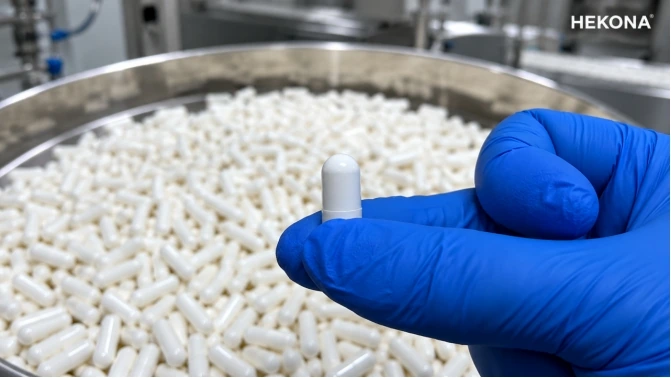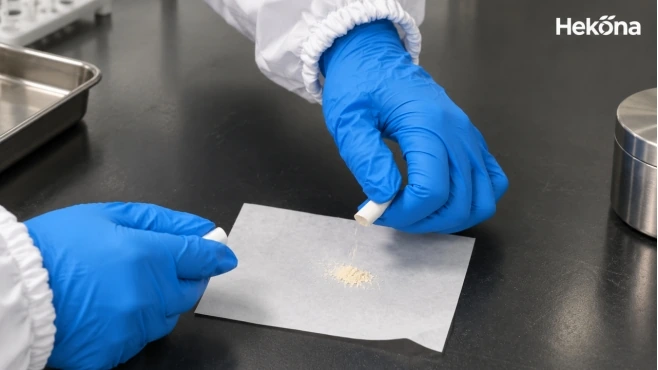

A creatine quote can look complete and still leave the hard work open. The tub price is there. So is a line that says “creatine monohydrate.” But which material will arrive, how the blend will run, what one scoop will weigh, and which results will release the batch may still be missing.
Use the sample stage to close those points. A useful quotation review has five lines: approved ingredient, sellable blend, serving measurement, commercial pack, and release paperwork. If any line stays vague, two suppliers may be costing different products.
For a U.S. product, 21 CFR Part 111 supplies the GMP framework around components, production, finished batches, packaging, and labels. Flavor and scoop approvals remain in the project record.
1. Start With the Material Specification
Do not approve a purchase description that stops at “creatine.” Name the form. If the brief says monohydrate, the formula, purchase record, and finished specification should say it too. Any later switch needs an approved trail rather than a silent substitution.
The incoming-material file normally needs:
- material name and approved supplier or supplier route;
- identity test;
- assay or purity requirement;
- physical description and any relevant particle-size requirement;
- microbiological and contaminant limits selected for the product;
- test methods, result format, and lot traceability;
- rules for rejection, investigation, or an approved alternative lot.
Next, pin down what “COA available” means in practice. Is the supplier qualified for the specification being accepted? Which method and limit apply, and what did this lot actually score? The file should also say who performs identity testing, what triggers requalification, and which finding sends material to hold.
Particle-size shorthand deserves a second look. “Micronized” sounds precise, yet some quotes give neither a distribution nor a method. Finer material may improve mouthfeel and, on the same day, make dusting or filler feed worse. Where the project depends on size, write the measurement into the material specification and put the complete blend through a trial.
The NIH Office of Dietary Supplements fact sheet is useful background on creatine monohydrate. The order still needs its own grade, supplier, testing, and production route.
2. Test the Blended Powder You Will Actually Sell
A plain tub and a flavored performance formula are different factory jobs. Every addition—acid, sweetener, fruit powder, color, mineral, botanical, or low-dose active—can alter how the blend tastes, moves, settles, and tests.
Hekona’s Creatine PQQ Complex – Watermelon Flavor makes the point concrete. Creatine, PQQ, L-citrulline, sweeteners, acids, and fruit powder share the listed blend. That approval sample has several jobs:
- check distribution of the low-dose material;
- settle the acid, sweetness, aroma, and finish;
- show how the complete powder disperses;
- provide enough powder for scoop-weight and package checks;
- identify the exact formula version that moves to production.
The page describes that product as easy to dissolve. Keep the claim tied to the reviewed formula. A change in flavor source, acid level, serving weight, creatine lot, or particle profile may give a different drink. New version, new check.
Write a Small Mixing Method
“Mixes well” is hard to audit. A one-page bench method is better. Record powder weight, water volume, water temperature, cup or shaker, mixing time, and observation times. Then note:
- dry lumps and floating powder;
- foam immediately after mixing and after it settles;
- visible grit or bottom sediment;
- color, aroma, first sip, and the finish after sweetness and acidity fade.
Use one setup for repeat trials. Prepare it the way the proposed label says; a second method belongs in a separately named trial.
Check the fresh sample, retain some in the proposed pack, and return to it later. Settling or moisture pickup can make blending-day approval look premature.
Trace the Flavor Approval
Record the approved sample code. Keep the flavor supplier, flavor code, dosage, sweetener system, acid system, color, and fruit powder on that version. If production uses an “equivalent” flavor that the brand never tasted, the sample approval has lost much of its value.
Hekona’s powder manufacturing process runs from formulation into weighing, blending, filling, packing, and quality control. The sequence is important. A pleasant bench sample still has to travel through production without losing uniformity or fill control.
3. Put the Serving Weight Beside the Scoop
The label uses weight. The scoop uses volume. Those are different measurements.
For a one-scoop serving, put these entries in the decision file:
- target serving weight;
- selected scoop volume and part number;
- level, rounded, or heaped instruction;
- repeated scoop weights from the final blend;
- acceptable range for the project;
- net weight and declared servings per container.
One carefully filled scoop is not a study. Collect repeated weights using the proposed level, rounded, or heaped direction. Repeat after settling. Repeat once more if a flavor or raw-material change moves the bulk density.
Next, place the factory fill plan beside the scoop work. Record the checkweighing point and frequency for the actual tub, sachet, or stick line. Then reconcile net quantity, deliberate overfill, and stated servings with the label and master record.
This modest exercise can change the quotation: a heavier serving may need a bigger scoop or tub and can raise ingredient or freight cost. If the target will not fit, change the physical pack before artwork lock.
4. Follow the Powder Through Scale-Up
A hand mix answers sample questions. It says little about what will happen through a production blender, transfer, hopper, and filler.
Have the creatine manufacturer describe the scale-up without marketing language:
- blender type and working batch size;
- order of addition;
- pre-blend for PQQ, flavor, color, or another low-dose component;
- blend time and the reason for it;
- sampling locations and sample count;
- physical checks before filling;
- the plan for bridging, sticking, separation, or wandering fill weights.
Watch what happens during transfer. Fine fractions may cling, dense particles may move differently, and a poor-flowing blend can stop in the hopper. The intended materials deserve a real run.
Hekona’s published raw-material sourcing controls discuss document and visual review, selected in-house checks, traceability, and supplier management. Connect that system to the formula specification in the order file. A company-level procedure alone cannot tell the buyer which creatine result, flavor code, or PQQ marker governs this particular batch.
Package Review
Once the filler stops, the pack must keep moisture away. Failure may first appear as clumps, flavor change, awkward scooping, or weaker dispersion.
Record the commercial pack as a complete set:
- container or flexible-film structure;
- cap, liner, zipper, or heat seal;
- induction seal where used;
- desiccant type and quantity where used;
- scoop and its position in the pack;
- label and secondary packaging;
- storage statement and expected use after opening.
Wide-mouth tubs, pouches, sachets, and sticks give the powder different barriers. Ask why this container and closure were paired; adding desiccant does not excuse a weak seal.
Switching the pack after sample approval changes more than artwork. Reopen the moisture review, scoop use, filler setup, and any stability work already under way.
5. Fix the Release File Before the Purchase Order
Testing language in a quote is often too broad: “COA included” or “third-party tested.” Replace that wording with the actual release scope.
Depending on the formula and market, the finished specification may cover:
- selected identity or composition markers;
- assay of one or more actives where a suitable method exists;
- microbiological limits;
- relevant contaminants;
- appearance, odor, moisture or water activity;
- bulk density or another process-relevant physical check;
- net content and package integrity.
One method may not recover every active from a flavored multi-ingredient matrix. Find that limitation before production. Ask whether the report will show actual numbers, a pass/fail entry, or both.
Hekona’s laboratory testing capabilities describe active-ingredient analysis, physicochemical testing, microbiology, heavy metals, particle-size work, and other equipment. The useful purchasing question is narrower: which method and laboratory apply to this version?
Then name the records due at release. Common entries are the batch identifier, formula or master-record reference, finished COA, pack and label check, and traceability file. Hekona’s finished-product assurance page adds the company’s published context on sampling, applicable physical checks, microbiology, pack inspection, and batch documentation.
Add four final questions to the order file:
- What result releases the batch?
- Who opens and owns a deviation or out-of-specification investigation?
- Is rework permitted here, and who approves it?
- Which records will the brand receive before shipment?
If the answer is “we decide later,” the production scope is not closed.
Conclusion
A reliable creatine manufacturer makes the boundaries visible before money is committed. The buyer can see the material specification, approved blend, mixing method, scoop basis, scale-up route, commercial package, tests, and release documents. That record is more useful than a low tub price supported by general promises.
Close the open points while powder and packaging are still movable. Corrections become expensive after a full blend exists and the labels are printed.
FAQ
What belongs in a creatine manufacturer review before ordering?
Put the ingredient specification, formula revision, sample code, scale-up route, scoop evidence, pack configuration, finished specification, and promised release records on one review sheet. Any blank line needs a named owner.
Will “micronized” creatine always dissolve completely?
No. Water, serving concentration, mixing action, and the rest of the formula join particle size in determining what happens. Use the recorded cup or shaker trial on the finished blend.
How is scoop size selected?
Measure the approved blend’s bulk density. Collect repeated scoop weights and reconcile them to the label serving. Any material or flavor change that shifts density or settling reopens the check.
Can plain and flavored creatine share one test plan?
Only after technical review. Added ingredients can change the uniformity, moisture, sensory, and analytical questions.
Does a clear drink prove potency?
No. The glass shows appearance, not potency. Composition requires a suitable method and a limit agreed before testing.
Is there one best creatine powder package?
No. Choose against the formula: barrier, seal, serving format, user handling, and the planned stability work.
Which batch documents should the brand receive?
The contract controls the final set. Batch identity, finished COA, relevant pack and label checks, and traceability records are common. Put the agreed list in the order file.