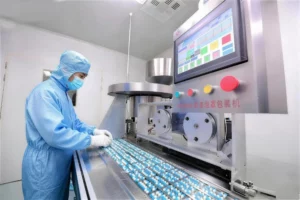
In our work with small and medium-sized supplement brands, an order can carry more risk than its value suggests. A low quote may come from a trading company unable to provide batch records or match the approved sample. For probiotics, a dependable Capsule Manufacturer must control live cultures, botanical extracts, capsule filling, and protective packaging as one process.
We therefore treat sampling as a decision stage, not a miniature purchase order. When a suitable item is already in stock, we can discuss providing 100 to 300 bottles so you can assess the existing product without paying for new development. If no stock formula matches your requirements, custom sampling starts at an MOQ of 500 because new materials, trial blending, filling, and quality checks are required. The two routes involve different work, and that distinction protects your budget.
Why Do Probiotic Capsules Require Tighter Production Control?
We judge a probiotic capsule by the activity retained after filling, transport, and storage, not only by the amount added initially.
Live-Culture Viability Loss
Heat, oxygen, moisture, and long exposure lower viable counts. We confirm the strain code, starting CFU, test method, release limit, and intended potency at expiry.
Moisture and Temperature Sensitivity
We control humidity because moisture can reduce viability, disturb flow, and affect the shell. Sensitive materials can be handled at ≤25% RH, with fill water activity controlled to Aw ≤0.4.
Botanical–Probiotic Compatibility
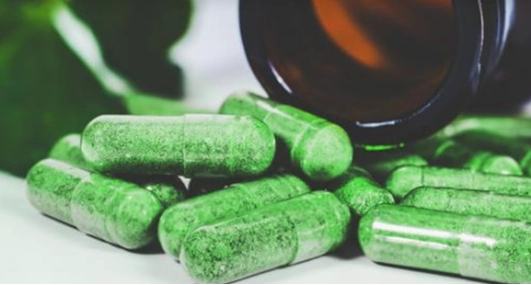
For botanical combinations, we review acidity, particle size, density, flow, and moisture uptake. We test the complete blend because ingredients may behave differently beside live cultures.
What Raw Material Standards Should Buyers Require?
We treat incoming control as the first production stage. Specifications define identity, potency, purity, contaminants, storage, and standardized active content.
Strain Identity and CFU Potency
“Probiotic blend” provides too little detail. Our Metabo-Support Probiotic & Botanical Complex identifies Bifidobacterium animalis subsp. lactis WKB99 and Limosilactobacillus reuteri LR08, providing strain-level traceability.
Standardized Botanical Extracts
The formula also uses Garcinia cambogia standardized to 50% HCA and green tea extract to 50% EGCG, plus vitamin D and chromium. Measurable targets give better release evidence than raw weight alone.
Supplier Qualification and Contaminant Testing
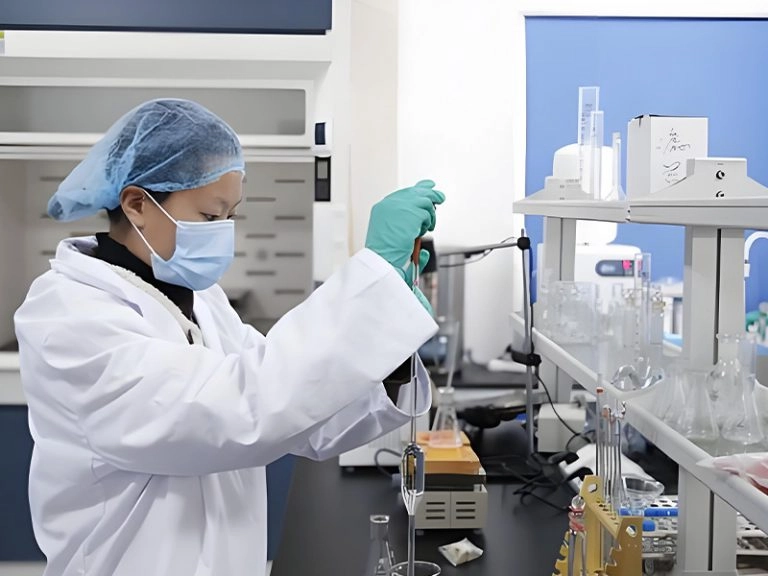
Our raw material sourcing controls include supplier qualification and checks for identity, potency, purity, heavy metals, pesticide residues, and microorganisms. A COA supports review, but it does not replace incoming verification.
Which Capsule and Filling Processes Better Protect Viability?
After ingredient approval, we select the process around environmental exposure, shell moisture, powder flow, and ingredient distribution.
Low-Temperature and Low-Humidity Handling
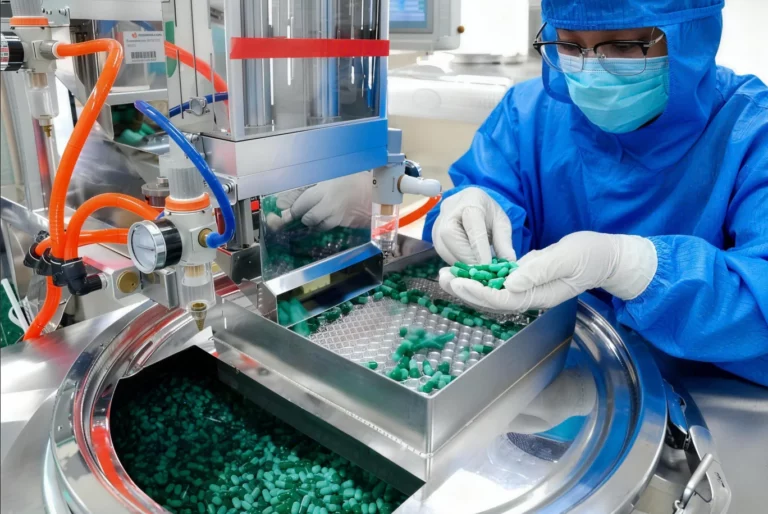
We use low-temperature filling and limit waiting between weighing, blending, filling, and packing. Even a qualified dry blend keeps absorbing room moisture while exposed.
HPMC and Enteric Capsule Selection
We consider low-water-activity HPMC shells for sensitive formulas. Enteric options can release at pH 5.5, 6.0, or 6.8. We choose from strain tolerance and dissolution data, not packaging language.
Fill Uniformity and Exposure-Time Control
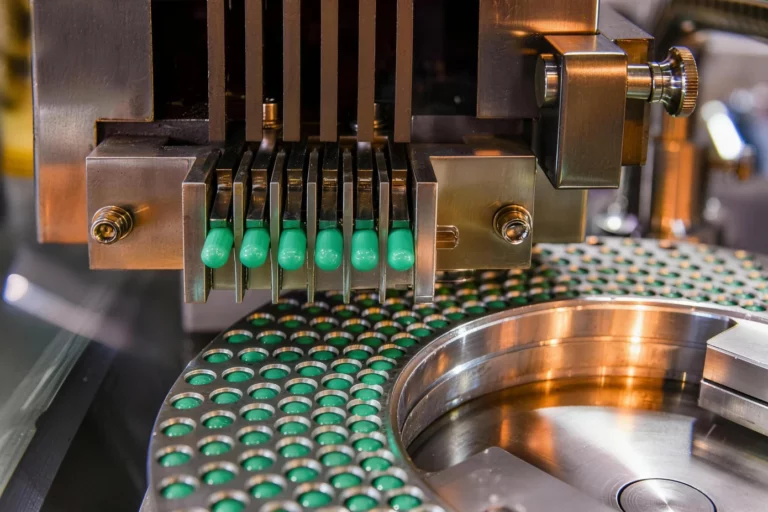
Different bulk densities may cause segregation, so we may use premixing, geometric dilution, or dry granulation. Our capsule manufacturing process supports CV ≤5% blend uniformity and RSD ≤2% filling accuracy, with defective capsules rejected.
How Should Quality and Shelf-Life Performance Be Verified?
Certificates provide a framework; batch records show what happened. As a Capsule Manufacturer, we connect process checks, release, stability, and packaging.
In-Process Control and Batch Traceability
We link each material lot to weighing, mixing, filling, metal detection, and packing. Empty, underfilled, or poorly locked capsules are rejected and recorded.
Capsule Manufacturer Release Records
Our release plan can cover uniformity, fill weight, active compounds, microbes, heavy metals, and probiotic potency. Accelerated tests flag weaknesses; real-time studies support shelf life.
Moisture-Barrier Packaging and Desiccant Selection
We match bottles, desiccants, foil pouches, or blisters to the formula, climate, distribution time, and opening pattern. Frequent bottle opening can matter in humid markets.
Our manufacturing capability overview gives buyers these production reference points:
| Control Item | Disclosed Reference | Why It Matters |
| Annual capsule capacity | 2 billion capsules | Supports growth after trials |
| Eight-hour output | More than 5 million | Aids reorder planning |
| Blend uniformity | CV ≤5% | Limits distribution variation |
| Filling accuracy | RSD ≤2% | Supports dose consistency |
| Fill water activity | Aw ≤0.4 | Limits moisture-related risk |
How Can Buyers Reduce Risk Before Full-Scale Production?
We designed our sampling approach for brands needing evidence before scale, especially after receiving changed specifications, weak records, or goods that did not match an approved sample.
Stock-Formula Sample Validation
When suitable stock exists, we can discuss providing 100 to 300 bottles. You can review the existing formula, capsule, and packaging without funding new development. These bottles do not validate unmade changes.
For stock-product evaluation, Sluyil is a brand under Hekona, providing access to established formulas produced within Hekona’s manufacturing and quality-control system.
Custom-Formula Pilot Requirements
If stock cannot meet your strain, potency, shell, or packaging needs, custom sampling starts at an MOQ of 500. This supports dedicated material preparation, formula setup, trial production, and testing. We confirm the formula, test scope, packaging, and revisions first.
Scale-Up Acceptance Criteria
We recommend written scale-up criteria covering strain identity, CFU, botanical potency, shell, fill tolerance, packaging barrier, storage, and stability. These standards turn the sample into useful evidence and prevent costly disputes later.
Start a Lower-Risk Probiotic Capsule Project with Hekona
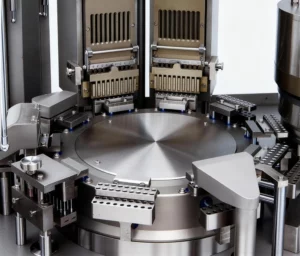
At Hekona, we support overseas brands through formulation, sourcing, production, testing, and packaging. As a Capsule Manufacturer, we combine small-order evaluation with commercial-scale equipment. We do not currently accept domestic trading-company orders.
Within this structure, Sluyil serves as Hekona’s stock-product brand for early product testing, while custom formulation, scale-up, testing, and OEM/ODM production remain within Hekona’s manufacturing framework.
Metabo-Support Formula Evaluation
Metabo-Support offers an existing gut-metabolism direction with identified strains, standardized botanicals, vitamin D, and chromium. We position it for healthy metabolic support, not disease diagnosis or treatment.
Flexible Sample and MOQ Pathways
Our first question is whether stock genuinely fits your brief. If so, 100 to 300 bottles support an efficient review. If not, the 500 MOQ custom route provides enough production and quality work to create meaningful evidence before a larger order.
Integrated Development and Manufacturing Support
Our specialist team covers formulation, process transfer, analysis, quality, sourcing, and production. Share your strains, CFU, botanicals, market, shell, packaging, and volume. A suitable Capsule Manufacturer should resolve these points before scale.
FAQ
Q1: How Should You Compare a Capsule Manufacturer for Probiotic Supplements?
A: We recommend comparing strain traceability, CFU limits, environmental control, filling accuracy, stability, packaging, sample terms, and batch records.
Q2: Are HPMC Capsules Better for Probiotics?
A: We often use low-water-activity HPMC for sensitive formulas. Final selection still depends on strain stability, fill properties, and dissolution requirements.
Q3: Do All Probiotic Capsules Need Enteric Protection?
A: No. We recommend it only when strain sensitivity and the target release site justify the process and cost. Dissolution testing should verify performance.
Q4: What Is the Difference Between a Stock Sample and a Custom Sample?
A: Our stock sample represents an existing formula. Custom sampling reflects requested strains, dosage, botanicals, shell, or packaging and requires dedicated preparation.
Q5: What Sample Quantities Do You Offer?
A: Suitable stock allows a negotiated 100 to 300 bottles. If custom production is required, sampling starts at an MOQ of 500.