Marine Source Is Part of the Buying Decision
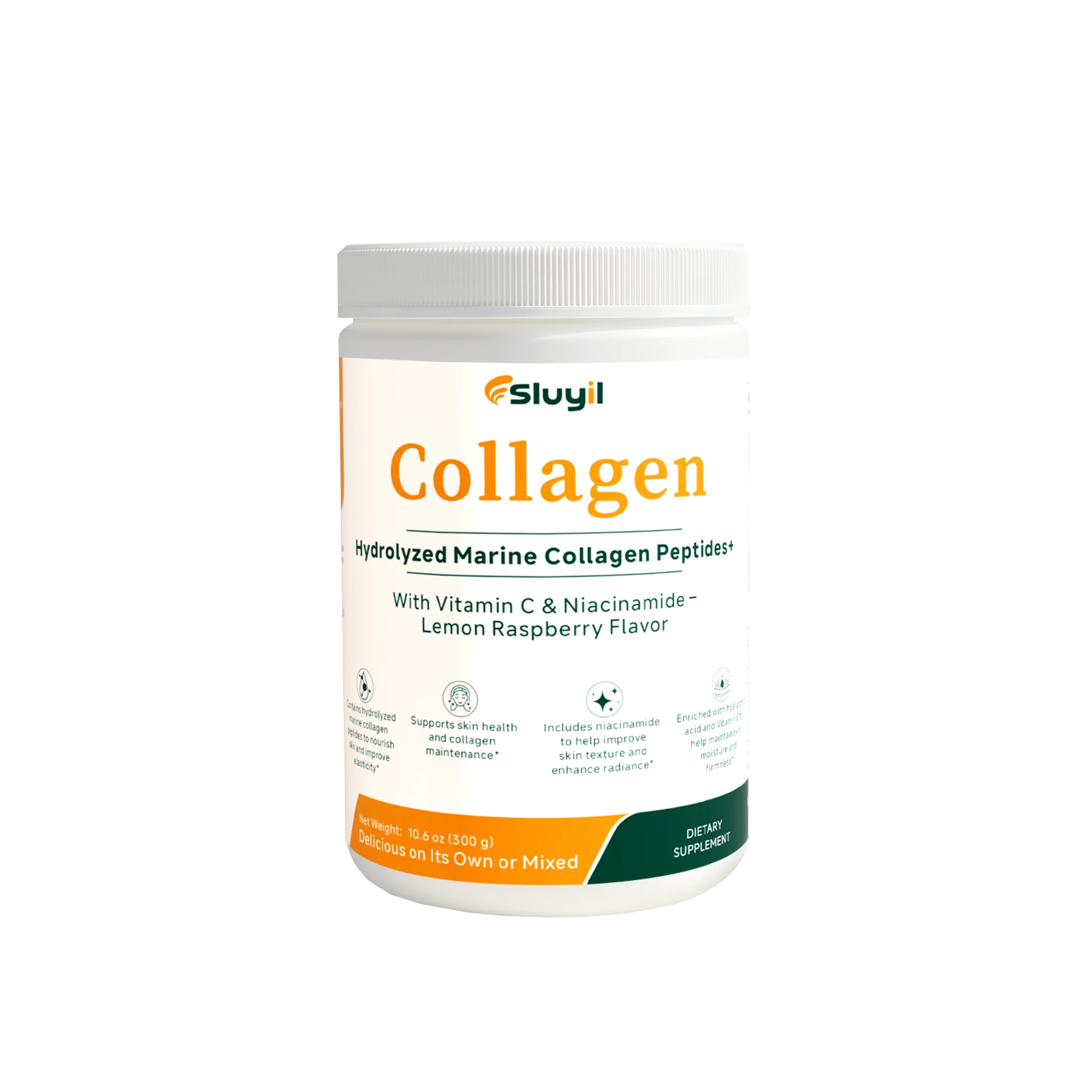
Five grams of the 6 g serving comes from marine collagen peptides, and a 300 g tub supplies 50 servings. Vitamin C and niacinamide are supporting ingredients. The page should keep the focus on the actual formula instead of expanding into a long list of beauty claims.
A brand choosing marine collagen also needs to consider fish-source records, allergens, raw material aroma and cost. Clear sourcing, an accurate dose and proper sensory work give buyers more useful information than broad beauty promises.
Aroma and Mixing Appearance
- Marine collagen is fish-derived. Species or source records, supplier specifications and target-market allergen wording should be reviewed before artwork approval.
- The lemon raspberry profile must cover both the initial aroma and the aftertaste after standing. Sensory approval should use the complete finished formula.
- Collagen powder may produce foam or light surface haze after mixing. Website images should not present it as a fully clear drink.
- The current format is 6 g per serving, 50 servings per tub and 300 g net weight. Earlier 10 g or 30-serving material must not be reused.
Suitable Brands and Sales Channels
- Beauty and wellness brands using marine source as a product distinction
- Women’s health, healthy aging and beauty-from-within product lines
- Online and retail brands looking for a ready-stock 50-serving collagen powder
- Distributors testing demand for fish-derived collagen before developing a fully custom formula
Suitability note This product does not fit a vegan position. Final Directions, fish allergen wording, age limits and other warnings must be reviewed for the target market.
Customization Scope
Custom options include other flavors, sweetener systems, serving sizes, collagen levels, supporting ingredients or stick packs. Changing to bovine or multi-source collagen alters sourcing, allergens, aroma, cost and product position, so it should be treated as a new formula.
Packaging and Purchasing
The ready-stock format is a 300 g tub with 50 servings. Trial orders start from 100 bottles, subject to inventory. For a quotation, provide the sales country, expected quantity, flavor and packaging requirements, label languages and required documents so we can review the allergen and private label route.
Buyer FAQs
Does this product contain fish?
Yes. The collagen comes from a marine source, and the final label must carry the applicable fish allergen statement for the sales market.
How is the marine collagen aroma handled?
The lemon raspberry profile must be adjusted in the full formula and checked both immediately after mixing and after the drink has stood.
Can it be marketed as vegan collagen?
No. Marine collagen is animal-derived. A vegan beauty powder would require a different product concept.
Discuss This Product with HEKONA
Send us the sales market, expected quantity, flavor preference and pack format. We will confirm the ready-stock and label requirements or review a custom marine collagen formula.