Separate Elemental Amount from Compound Input
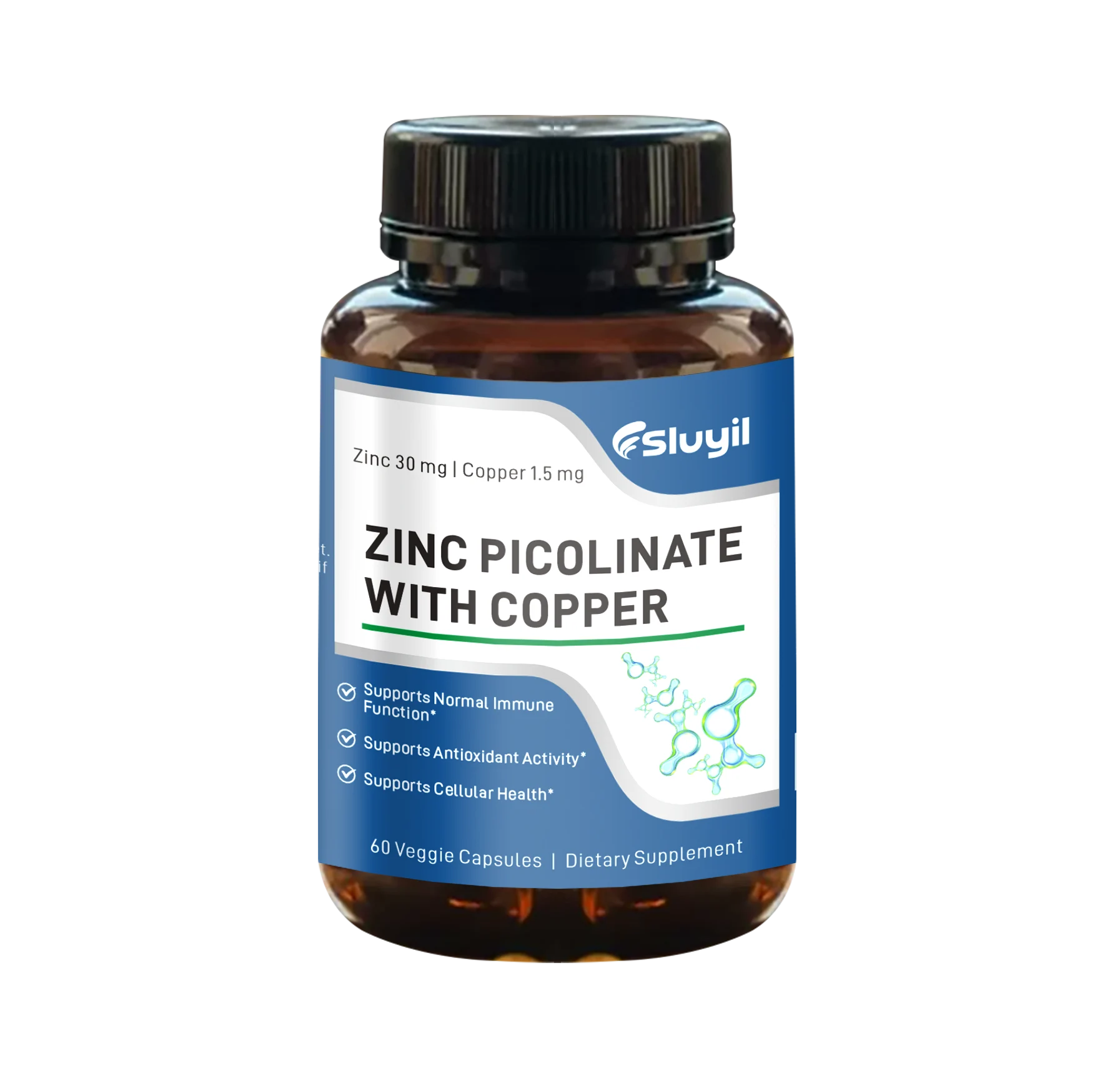
The Supplement Facts amount for zinc is 30 mg, but the manufacturing input of zinc picolinate will be higher and depends on assay. The same rule applies to the 1.5 mg copper declaration and the copper bisglycinate material used to deliver it.
The master formula should calculate each compound from a current supplier assay and include the approved overage policy where applicable. The commercial description must quote the declared elemental quantities, not confuse them with raw-material weights.
The Declared Ratio Is Twenty to One
Thirty milligrams of zinc divided by 1.5 mg of copper gives a 20 to 1 ratio between the label amounts. That calculation is useful for product comparison, but it does not prove that the ratio is appropriate for every population, duration or market.
The final product brief should state the intended user, frequency and use period. A regulatory review can then assess label instructions and warnings without relying on the word balanced as an unsupported conclusion.
One Capsule Is Physically Straightforward but Still Needs Control
The active mineral masses are modest enough to make a one-capsule concept plausible, but compound weights, carriers and excipients still determine the actual fill. Confirm shell size and target fill from the approved material grades.
Low-dose copper also requires an appropriate premix or validated blending route. Uniformity should be demonstrated with the chosen batch size and process rather than assumed from a short ingredient list.
Avoid Automatic High Absorption Language
The source forms can be named accurately. They should not be turned into a promise of superior absorption or better outcomes unless the exact ingredient and finished product have suitable support for that comparison.
The commercial value lies in assay, elemental declaration, ratio, one-capsule delivery and market review. Those are real purchasing questions and distinguish this formula from broader vitamin and immune products.
Pack and Release Requirements
The current record states 60 servings. Confirm the final count, bottle size, closure, induction seal, desiccant decision and storage conditions. Shelf-life wording should follow the tested formula and pack combination.
Final release files should include approved raw-material specifications, certificates of analysis, batch calculations, finished-product results and artwork review. Directions must match the market decision on serving frequency and duration.
Quote from the Actual Specifications
No ready-stock status is recorded for this formula. MOQ, sample work, manufacturing timing and pack options depend on the approved specification and order size.
Send the destination country, intended directions, capsule shell, count, testing requirements and expected volume. HEKONA can then calculate the mineral inputs, choose a blending route and quote the finished configuration.
Buyer Questions
Is 30 mg the weight of zinc picolinate
No. It is the declared elemental zinc amount in the current facts. The zinc picolinate input depends on the approved assay.
Why is copper included
The label records copper as a separate declared mineral. The final positioning should be based on the intended use and market review rather than a general balance claim.
Can the zinc amount be reduced
Yes, through a formula revision. The copper level, ratio, directions, label and commercial costing should then be reviewed together.
Review a Zinc and Copper Capsule Specification
Share the sales market, intended directions, target mineral amounts, capsule format, count and expected order volume. HEKONA will review assay calculations, blending, testing, packaging, MOQ and quotation.