Start with Oral-Relevant Strains
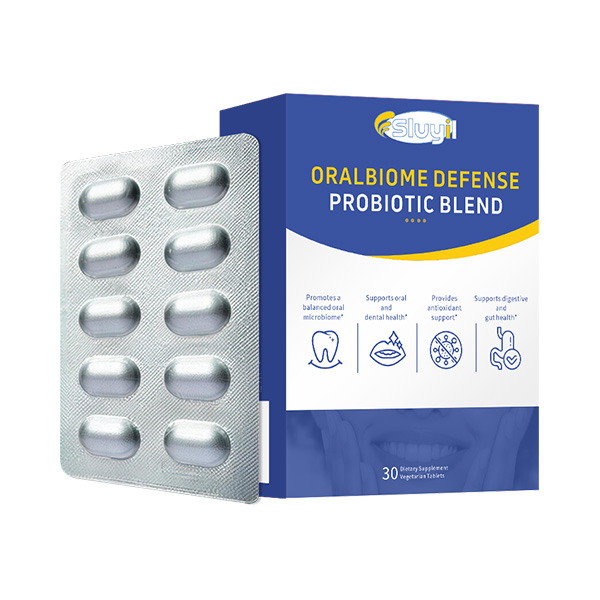
The product concept depends on the actual strain set. Strains selected for a general digestive capsule cannot be assumed to have the same relevance in an oral format. Full genus, species and strain designations are therefore a release requirement, not optional background information.
Any strain-level study used for positioning must match the culture in the master formula and the proposed serving. Without that match, the commercial description can explain the dosage form and development route but should not promise a specific oral-health result.
Compression Changes the Viability Question
Tablet compression subjects the blend to pressure and friction. The useful number is not only the incoming culture count; it is the viable count after blending and compression, followed by the result in the final package over time.
Tooling, compression force, dwell time, tablet weight and production speed need to be set around the approved blend. A laboratory-scale tablet that meets the initial count still requires a scale-up check before the same result is used in commercial copy.
Taste Comes from the Whole Formula
Xylitol provides 300 mg per tablet. That amount by itself does not determine the sweetness or the way it feels in the mouth. The probiotic carrier and other ingredients also have an impact, on the texture. Green tea extract that is 200 mg and contains least 95% polyphenols can create a drying sensation while the 50 mg of standardized licorice root powder adds its own unique flavor. A bench sample should be checked for sweetness, bitterness, aftertaste, chalkiness and the size of the tablet. Flavour and sweetener changes are possible as a custom project, but each change requires another tablet and viability check.
Specify the Finished Tablet and Pack
A purchase specification should include tablet weight, diameter, thickness, hardness, friability and disintegration target. These details affect both the user experience and the way the product survives bottling and transport.
The current pack is 30 tablets. Bottle barrier, closure, induction seal, desiccant decision and storage wording need to be approved with the final formula. Do not add a shelf-stable claim until the declared CFU basis and package have supporting data.
Keep Oral Claims Narrow
A chewable oral product should be evaluated separately from a digestive probiotic capsule because its strain choice, taste work and production process are different. A generic list of gut-microbiome benefits would not help that decision.
Do not make claims that the product stops cavities, treats disease removes bad breath or controls oral infection. The fact that the tablet contains xylitol, green tea or licorice does not alone prove those results, for the tablet.
Information Needed for a Tablet Quote
This is a custom-order concept with no ready-stock designation. MOQ and lead time follow the strain choice, tablet size, flavour brief, CFU declaration, pack and destination-market review.
For an initial assessment, provide the target market, preferred taste, tablet dimensions, pack count, shelf-life target and planned order quantity. The sample should be approved for both sensory quality and technical specifications before scale-up.
Questions Before Sampling
Does the 20 billion count remain after compression
It must be verified for the approved strain blend and tablet process. Incoming culture potency cannot replace finished-tablet testing.
Can the tablet be mint flavoured
A mint system can be reviewed, but it is not part of the current label facts. Flavour changes require a new sample, tablet specification and viability review.
Are the strains proven for oral use
That depends on the exact strain designations and supporting dossier. Confirm them before using oral-outcome claims.
Discuss an Oral Probiotic Chewable Project
Send the destination market, target strains, flavour brief, tablet size, CFU declaration, pack count and expected quantity. HEKONA will review sampling, compression feasibility, packaging, MOQ and quotation.