Urolithin A Carries the Search Intent
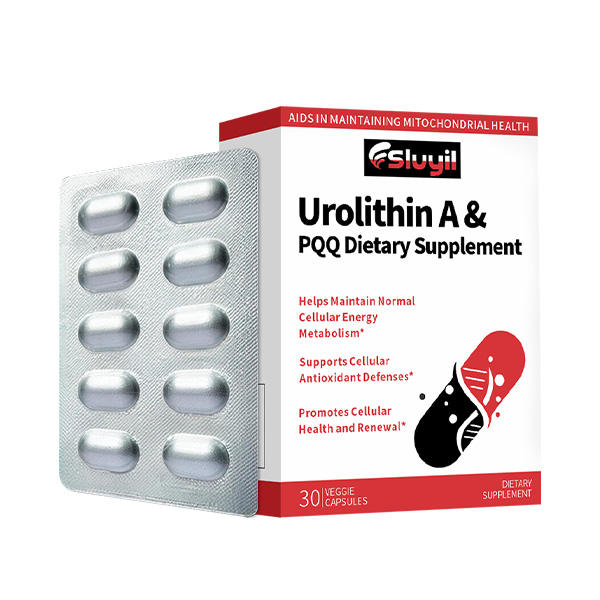
The H1, SEO title and opening copy should start with urolithin A. PQQ differentiates the formula, but it should not turn this into another general PQQ page. HEKONA already has separate pages for ergothioneine with PQQ, NMN, and PQQ with CoQ10.
A short ingredient hierarchy is more useful than repeating a mitochondrial-health overview. State what is in one capsule, then show what the buyer still needs to verify about the raw materials and finished format.
Raw-Material Identity Comes Before Claims
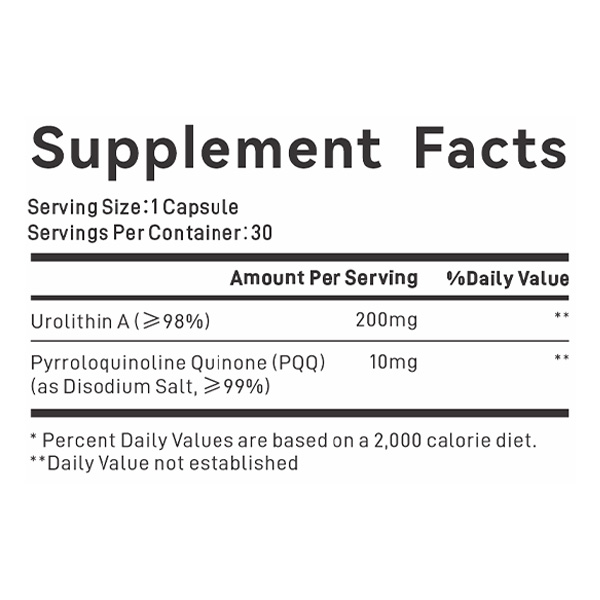
The current label confirms a 200 mg urolithin A amount but does not, in the content map, give a source, purity percentage or branded-ingredient name. Do not add any of those details until the approved specification and supplier authorization are reviewed.
Request identity, assay, contaminant and stability information appropriate to the project. Destination-market eligibility should be checked before a brand commits to artwork or sales copy, because ingredient status and documentary expectations can differ by country and channel.
One Capsule Is a Fill Question
The two declared actives total 210 mg, but that number is not the finished fill weight. Raw-material carriers, overages where justified, processing aids and other ingredients affect the commercial blend.
Capsule size 0 or 00 may be considered during development, but neither should be promised from the label amounts alone. Bulk density, flow, target fill weight and the selected shell need to be checked with the actual formula.
- Confirm the capsule size and fill weight from the master manufacturing record.
- Use a suitable premix sequence for the 10 mg PQQ component.
- Verify blend-uniformity controls before treating one-capsule dosing as commercially final.
- Keep the PQQ chemical form consistent across label, page and COA review.
Claim and Page Boundaries
The page can present a premium cellular-wellness formula and explain its sourcing and dosage-form decisions. It should not promise mitochondrial repair, new mitochondria, muscle rejuvenation, reverse aging, longer lifespan or prevention of age-related disease.
Do not use clinically proven unless the referenced evidence matches the exact ingredient identity, serving amount, intended population and wording. Ingredient research should not be presented as a finished-product trial.
Custom Order Path
This product does not carry a ready-stock note. The target market and raw-material file should be reviewed before HEKONA confirms MOQ, sampling, lead time or packaging terms. Requests to change the urolithin A amount, PQQ form, capsule shell or serving size require a fresh fill and documentation assessment.
A useful inquiry includes the destination country, sales channel, expected quantity, capsule preference, bottle count and any required raw-material dossier. That allows the quotation to reflect the actual compliance and production route.
Buyer Questions
Is the urolithin A a named branded ingredient?
No branded status is confirmed in the current content map. A trademark or supplier name should appear only after the raw-material file and usage authorization are checked.
Will 200 mg urolithin A and 10 mg PQQ fit one capsule?
The label uses a one-capsule serving, but commercial fit still depends on bulk density, carriers, excipients, capsule shell and verified fill weight.
Can the page promise mitochondrial repair?
No. The page should stay with the declared formula, raw-material review and permitted structure-function wording supported for the target market.
Review a Urolithin A Capsule Project
Share the destination market, sales channel, expected quantity, capsule preference and document needs. HEKONA will review raw materials, sampling, MOQ and quotation.